

About the Foundation
Our story, mission, and vision for Sri Lanka.
Our Story
The Nishantha Thilakarathne Foundation did not begin with a grand plan or a public campaign. It began the way most of this foundation's work still does today - with a need seen firsthand, and a decision to meet it directly. Across the villages and rural hospitals of Sri Lanka's dry zone, Mr. Nishantha Thilakarathne encountered communities and institutions carrying on with far less than they needed: a hospital ward without basic equipment, a temple that had stood for generations without a stupa of its own, families without reliable access to clean water. Rather than direct these needs toward a fund or a campaign, he chose the simpler path of funding them personally, one project at a time. That approach has remained unchanged since. Every project documented on this website - whether a religious ceremony, a hospital donation, or a community water project - has been funded entirely from personal resources, with no public donations sought or accepted. What has grown over time is not the model, but its reach: more villages, more institutions, and more of the quiet, unglamorous work that rarely makes headlines but changes daily life for the people it touches. This website exists for one reason: to document that work honestly, in full, so that the communities involved - and anyone else who wishes to look - can see exactly what was done, where, and how.
Our Mission
To directly improve the lives of underserved communities across Sri Lanka through personally funded, transparent charitable projects.
Our Vision
A Sri Lanka where every community has access to clean water, healthcare, and education, regardless of location.
Core Values
Compassion. Transparency. Accountability. Community-first thinking.
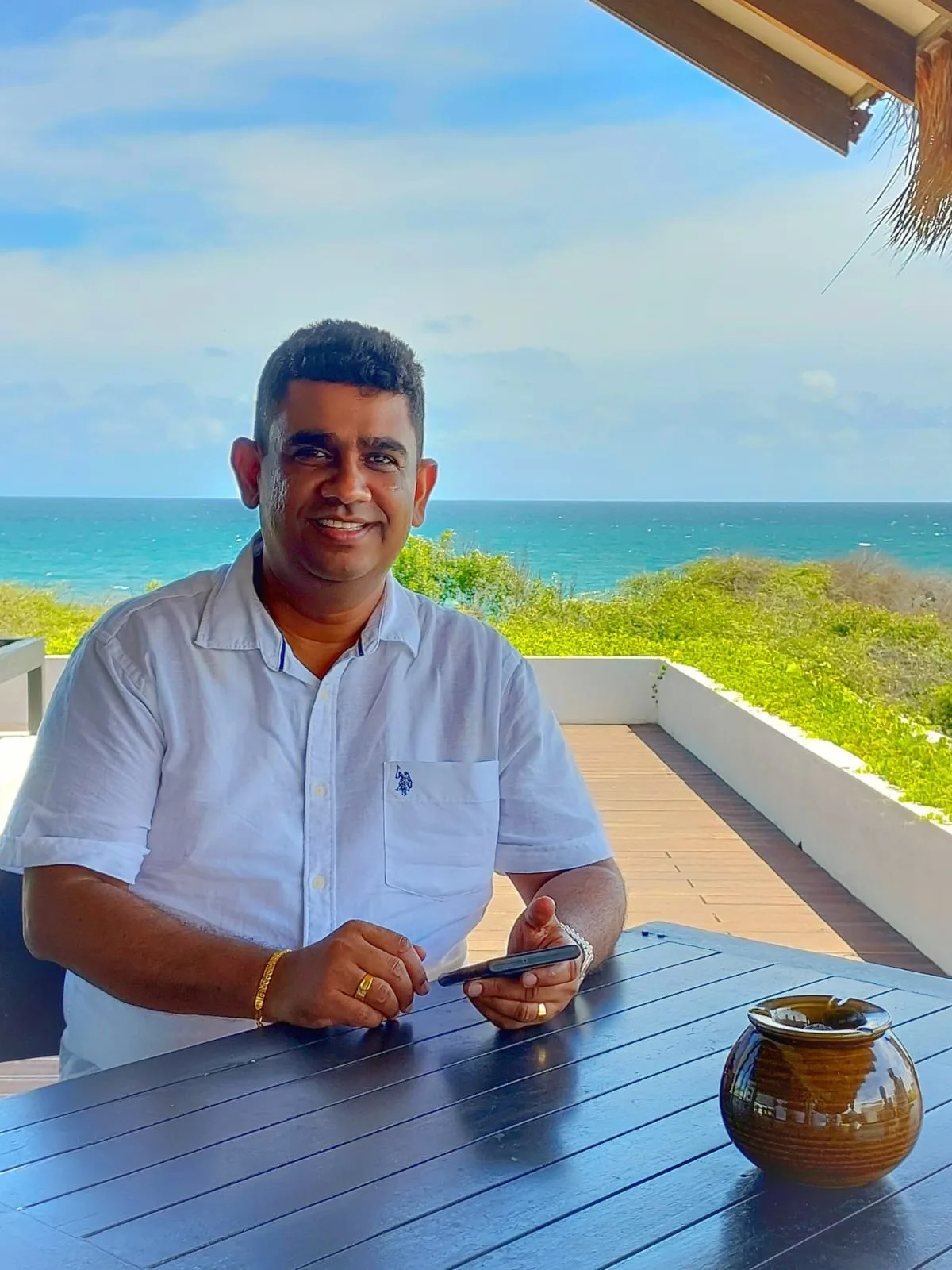
About Mr. Nishantha Thilakarathne
His life story is a powerful example of how determination, education, and perseverance can transform even the most difficult circumstances into opportunities for success. He was born into a family that faced significant financial hardship. His father depended on farming for a living, while his mother did not have a regular job. There were times when the family struggled to afford even their basic meals. Growing up, he experienced firsthand what it meant to live without financial security and to depend on assistance to meet everyday needs. During his childhood, his family received government assistance. To qualify for and receive those benefits, they sometimes had to participate in community work, such as cleaning public places. He remembers going with his siblings to take part in these activities so that the family could receive essential assistance. Food was particularly difficult to obtain. There were days when the family did not have enough to eat. He still remembers receiving flour and other basic food items through assistance programmes. Those experiences remained deeply rooted in his memory. Even today, they influence the way he looks at people who are struggling financially. His childhood taught him an important lesson: poverty should never be allowed to determine a person's future. For him, education became the pathway to change. Despite the difficulties his family faced, his parents continued to encourage him to study. He understood that education could provide an opportunity to build a different life. With determination, he continued his studies and eventually gained admission to university. However, entering university did not mean that his financial difficulties disappeared. His family still could not afford all the expenses associated with university life. He therefore depended on educational assistance, including the Mahapola scholarship, while also finding ways to generate additional income. Through hard work, scholarships, tuition-related opportunities, and other forms of income, he managed to continue his education. His journey was not easy. There were many moments when giving up would have seemed easier. Nevertheless, he continued moving forward because he believed that education was the most powerful tool available to him. Eventually, his dedication began to produce results. He developed his career, gained professional experience, and gradually created a more secure life for himself and his family. Yet his success did not make him forget where he came from. When he sees families struggling with poverty, he recognises something familiar. He remembers his own parents, his brothers and sisters, the days when there was not enough food at home, and the difficulties his family experienced while trying to survive. Those memories have become one of the strongest motivations behind his desire to help others. Today, he believes that success should not simply be measured by personal wealth or achievements. True success also means creating opportunities for people who are still facing the difficulties that he once experienced. His message to young people is simple but powerful: do not allow your current circumstances to determine your future. No matter how difficult life may be, education, determination, hard work, and perseverance can create a path forward. A person's background may influence where they begin, but it does not have to determine where they finish. His journey from a childhood marked by poverty and uncertainty to a life built through education and hard work is therefore not only a personal success story. It is also a reminder that opportunities can change lives, and that those who have experienced hardship can become a source of hope and opportunity for others. His story continues to carry one central belief: Education can change a life, but using that success to change the lives of others gives that achievement its greatest meaning.